Deepfakes & Misinformation
A deepfake is AI-generated media -- a photo, video, or audio clip -- designed to look or sound like a real person doing or saying something they never did. The technology has gotten disturbingly good. AI can now clone someone's voice from a few seconds of audio. It can put anyone's face into any video. It can generate photorealistic images of events that never happened. And it is getting cheaper and easier to do every single day.
This is already causing real damage. Fake celebrity endorsements scam people out of money. Deepfake audio has been used to impersonate CEOs and steal millions from companies. During elections, fabricated videos of politicians spread on social media before anyone can verify them. Students have even been targeted with deepfake images at school. The problem is speed -- a fake can go viral in minutes, but debunking it takes days.
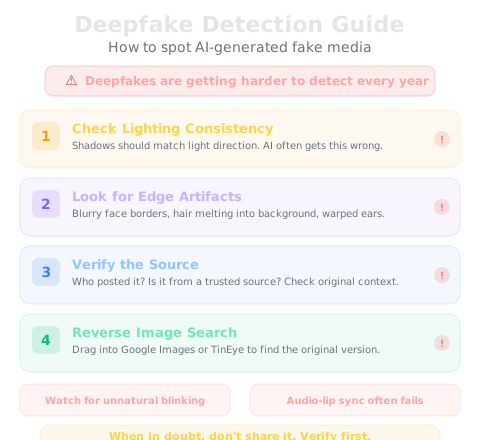
So how do you protect yourself? First, check the source. If a shocking video comes from a random account with no verification, be skeptical. Second, look for tells -- weird hand movements, unnatural blinking, audio that does not quite match lip movements. Third, use reverse image search to see if a photo has been manipulated. Tools like Google's SynthID are starting to watermark AI content, but they are not everywhere yet. The most powerful defense is simply slowing down. Before you share something outrageous, take ten seconds to ask: could this be fake?